3 October 2026 · Reporting checked against SABC News, the Department of Sport, Arts and Culture, Parliament and TimesLIVE.
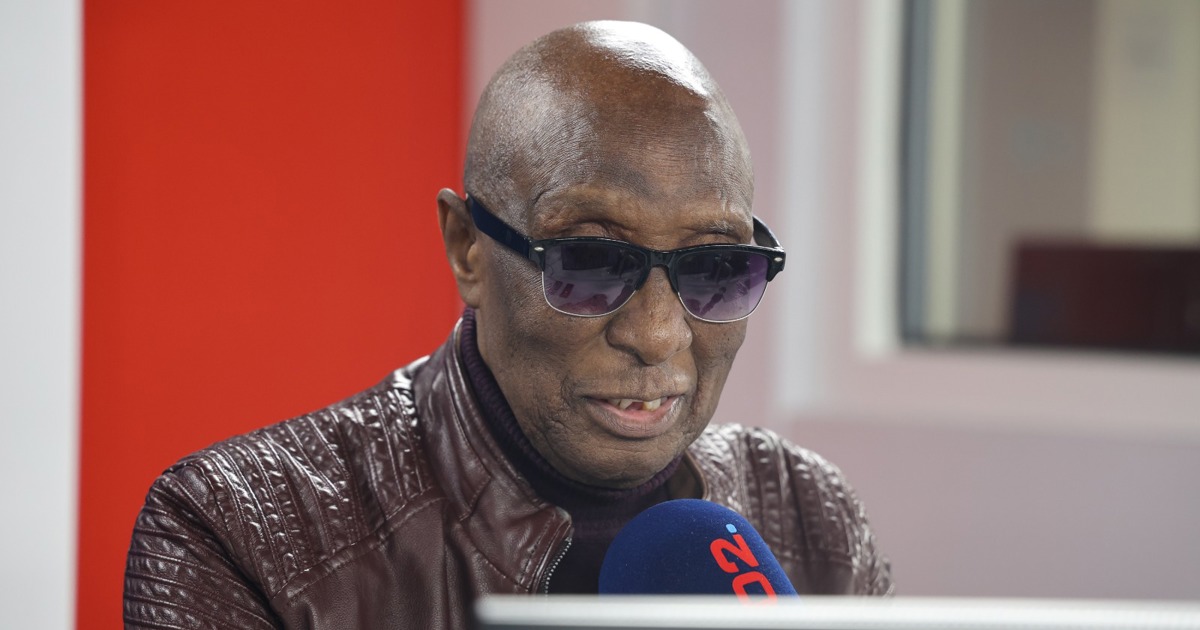
South Africa is mourning Bernard “Babsy” Mlangeni, the veteran singer, guitarist, composer and songwriter whose voice carried across generations and languages. Mlangeni died after a short illness at the age of 83, government and multiple South African news organisations confirmed on 2 October.
Born in Orlando East, Soweto, in 1943, Mlangeni lost his sight as a young child. He later attended the Athlone School for the Blind in Cape Town, where he learned guitar and began building the musical life that would stretch across almost six decades. His career came to include songs such as “Bua Nnete”, “Sala Emma”, “Botsotso”, “Lonely Man” and “Umadlembathini”.
That catalogue mattered partly because it travelled. Mlangeni recorded across Sesotho, isiZulu and isiXhosa, reaching listeners beyond any single language community. “Sala Emma”, written about his wife, became his signature song and one of the recordings most closely associated with his name.
His significance also sits inside a wider history of South African popular music. Mlangeni emerged in an industry shaped by apartheid, limited access and entrenched prejudice toward disabled artists. Parliament’s Select Committee on Education, Sciences and the Creative Industries remembered him as part of a generation that used cultural expression to reflect the realities of apartheid-era South Africa. The Department of Sport, Arts and Culture described him as part of the country’s “living history” and a musician who helped shape its cultural identity.
Recognition arrived repeatedly. He received a South African Music Awards Lifetime Achievement Award in 2017 and was honoured again at the National Arts and Culture Awards in 2025. He also mentored younger musicians, including fellow visually impaired singer Steve Kekana.
The scale of the tributes is a reminder that a musical legacy is not measured only in awards or chart history. Mlangeni’s work lived in homes, languages and memories for decades. His death closes a remarkable career, but the songs remain where they have always been: in the South African cultural record.