From an investigation to a suspension
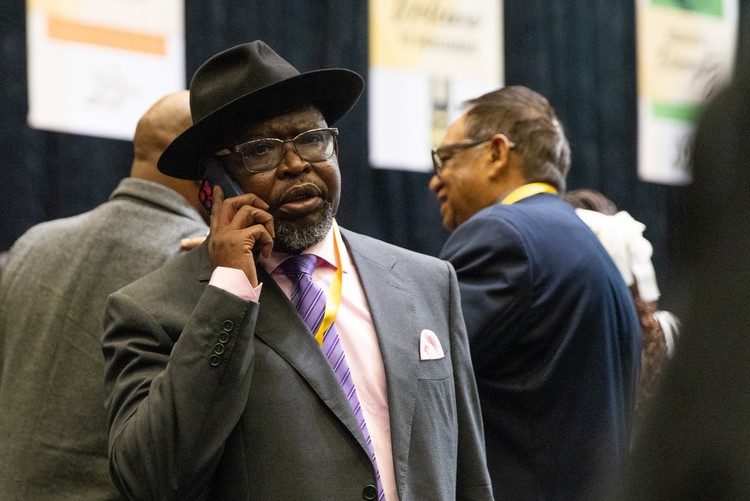
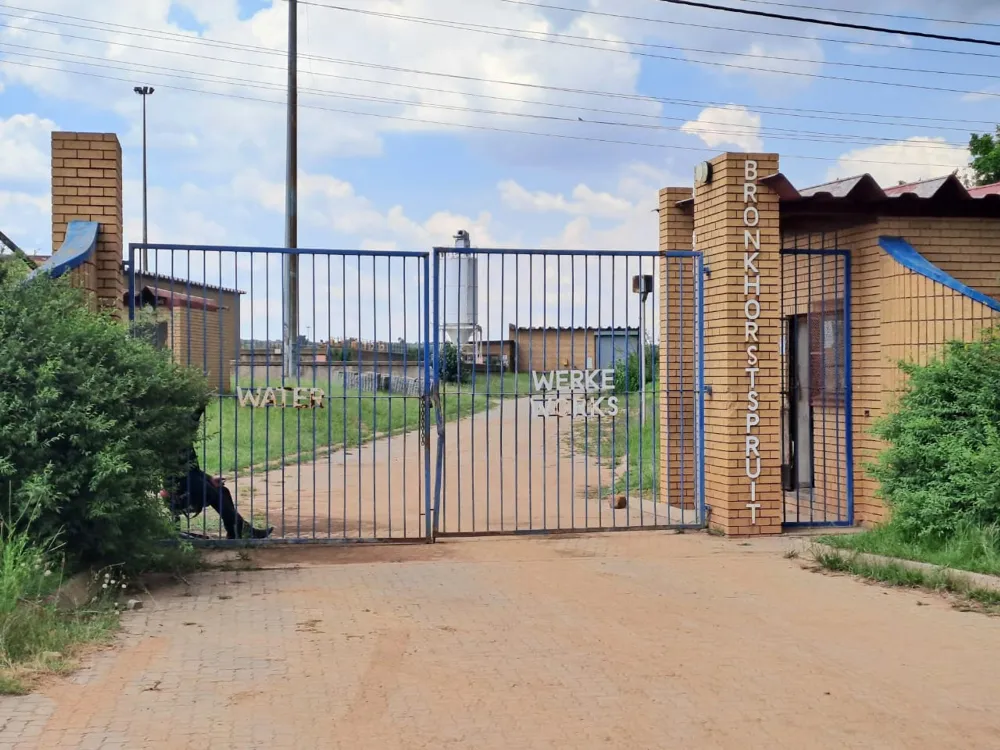
The City of Tshwane has suspended the manager of the Bronkhorstspruit water treatment plant pending an independent external investigation into the contamination crisis affecting communities east of Pretoria. Mayor Nasiphi Moya confirmed the suspension on Friday, 23 October, saying investigators must establish why failures at the plant were not escalated through the municipal system.
This is a new accountability step beyond the Public Protector investigation announced a day earlier. The manager’s suspension is precautionary pending the outcome of the inquiry; it is not a finding that the manager committed misconduct or caused the outbreak.
The city has faced mounting questions after the plant supplied water without chlorine treatment from 24 September to 14 October, according to government findings. The reported illness total rose from 433 on 21 October to at least 595 cases between 7 and 19 October, according to government presentations to Parliament reported on 23 October. No deaths were reported in that parliamentary update.
A breakdown in treatment and communication
Chlorination is a critical barrier against pathogens in drinking water. Investigators found high levels of E. coli and other contamination indicators in the affected supply, while patient samples detected organisms associated with gastrointestinal illness.
The mayor said the external investigation would examine the entire operational chain, including why the absence of chlorine was not communicated quickly enough for senior officials to act. It is not yet known which individuals or systems investigators will ultimately find responsible.
The South African Human Rights Commission said on 23 October that it was concerned the water problems had persisted despite complaints it had been investigating since May. Separately, the Public Protector is examining allegations of maladministration and improper conduct by the municipality. These are distinct oversight processes, and neither has concluded that a named official is guilty.
The safety warning has not been lifted
For residents, the central question is still whether the tap water is safe. At the time of the latest reporting, authorities had not issued a confirmed date for a return to normal use. The affected supply remained subject to strict precautions, with water tankers deployed to provide safer drinking water.
Residents in affected areas have been advised to use the contaminated tap supply only for flushing toilets, not for drinking, cooking, bathing, brushing teeth or washing food. Officials have warned that boiling it does not override the current municipal restriction. Anyone experiencing persistent diarrhoea, vomiting, fever or dehydration should seek medical care.
The suspension is an administrative development, not a solution to the health emergency. A safe restoration requires reliable treatment, independent water-quality results and clear communication to households before restrictions are withdrawn.
Sources and verification
Plant-manager suspension — Eyewitness News, 23 October 2026: Read source ↗
SAHRC concerns — Eyewitness News, 23 October 2026: Read source ↗
Water-use warning and 433 reported cases — Eyewitness News, 21 October 2026: Read source ↗
Public Protector investigation — Eyewitness News, 22 October 2026: Read source ↗
Parliamentary update: at least 595 cases — The Citizen, 23 October 2026: Read source ↗