The crisis becomes an accountability investigation
South Africa’s Public Protector has opened an investigation into allegations of maladministration and improper conduct by the City of Tshwane over contaminated water supplied to Bronkhorstspruit and surrounding communities. The new inquiry, confirmed on 22 October, follows an outbreak of gastrointestinal illness that has affected hundreds of residents, many of them young children.
The Public Protector’s office confirmed that it was examining the municipality’s conduct after a complaint from the Economic Freedom Fighters. The opening of an investigation is not a finding of wrongdoing by any named official. It adds an independent accountability process to technical work already under way to restore safe water.
What officials know about the contamination
At a joint briefing on 19 October, national authorities reported 408 cases between 7 and 18 October. Subsequent reporting on 21 October put the number at 433. These are figures reported at different points in the response, not conflicting totals for the same reporting period.
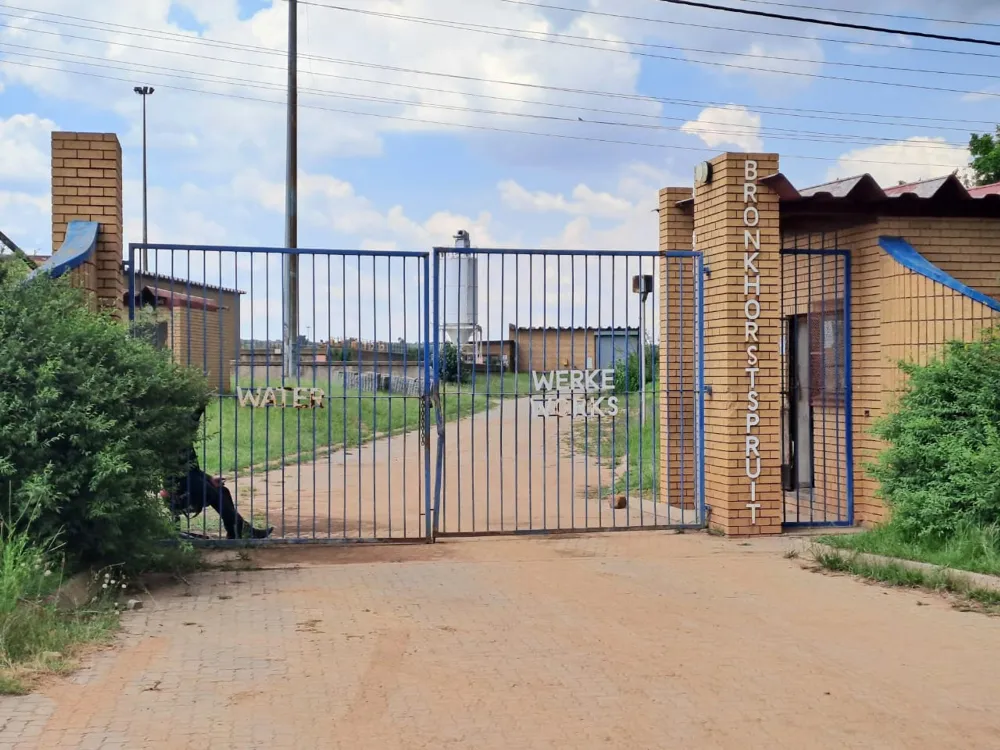
Water and Sanitation Minister Pemmy Majodina said the Bronkhorstspruit Water Treatment Works supplied unchlorinated water from 24 September to 14 October following problems with its chlorine supply. Testing detected very high levels of E. coli and other contamination indicators. The minister also criticised the municipality for failing to warn communities promptly that the supply was unsafe.
The City of Tshwane has acknowledged serious communication and operational failures and says corrective work is under way. Rand Water has been brought in to help assess the treatment plant. Officials have not provided a confirmed date when affected taps will again be safe for ordinary household use.
What residents need to know now
The current municipal advisory is strict: water from the affected system should be used only for flushing toilets until an official clearance is issued. Residents should not drink it, cook with it, brush teeth with it, wash food in it or bathe in it. Authorities have specifically warned that boiling this contaminated supply does not make it safe under the present advisory.
The city is distributing safe drinking water through tankers and says residents should use clean, covered containers. The affected areas include Bronkhorstspruit, Zithobeni, Rethabiseng, Ekandustria, Ekangala and nearby communities connected to the system.
The Public Protector’s investigation will examine accountability, but the immediate public-safety priority is clear communication, reliable tanker deliveries and independently verified restoration of water quality. Residents should follow current official municipal notices rather than assuming that restarting chlorination means the water is already safe.
Sources and verification
Eyewitness News, 22 October 2026: Public Protector confirms investigation: Read source ↗
SAnews, 19 October 2026: government briefing and 408 reported cases: Read source ↗
SAnews, 20 October 2026: official warning and water-tanker arrangements: Read source ↗
Eyewitness News, 21 October 2026: updated 433 case figure: Read source ↗