28 September 2026 · Reporting checked against the linked sources below.
Irma Stern is one of those names that can become so securely installed in an art history that the work stops feeling available for argument. Norval Foundation’s Looking Closer to Home, opening on 2 October — the 132nd anniversary of Stern’s birth — offers a useful reason to reopen the conversation.
The exhibition is the second instalment in a four-part series examining Stern’s life, journeys and artistic legacy. Its title shifts emphasis away from the familiar mythology of the travelling modernist and toward the places and people closer to her South African life.
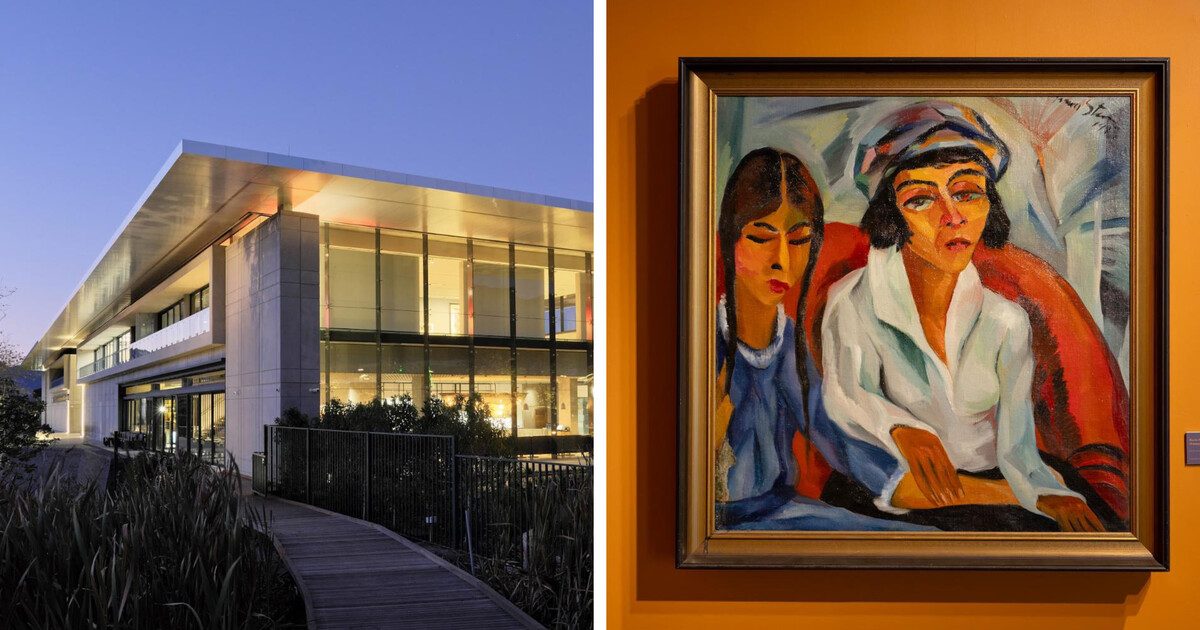
That shift matters because Stern’s legacy is both aesthetically significant and historically uncomfortable. Her portraits are central to South African modernism, but looking at them now also means asking how power, race, class and the colonial gaze shaped encounters between painter and sitter. A serious contemporary exhibition does not need to cancel the beauty of a work to make its conditions of production visible.
Museums are increasingly being asked to do precisely this kind of double looking: preserve objects while changing the questions around them. The point is not to force a single moral verdict onto a century of work. It is to refuse the idea that prestige should make an artist immune to context.
Looking closer to home can therefore mean more than geography. It can mean looking at the institution, the archive, the sitter and the audience with equal attention — and recognising that a legacy remains alive only if it can survive new questions.