19 September 2026 · Reporting checked against the linked sources below.
Circus is easy to misunderstand as novelty: a spectacular thing that appears, performs and disappears. In Johannesburg, Jozi Circus School and its collaborators are also using circus as training infrastructure — a route through which young people can acquire highly specialised skills, perform professionally and imagine work in an industry most school career guides never mention.
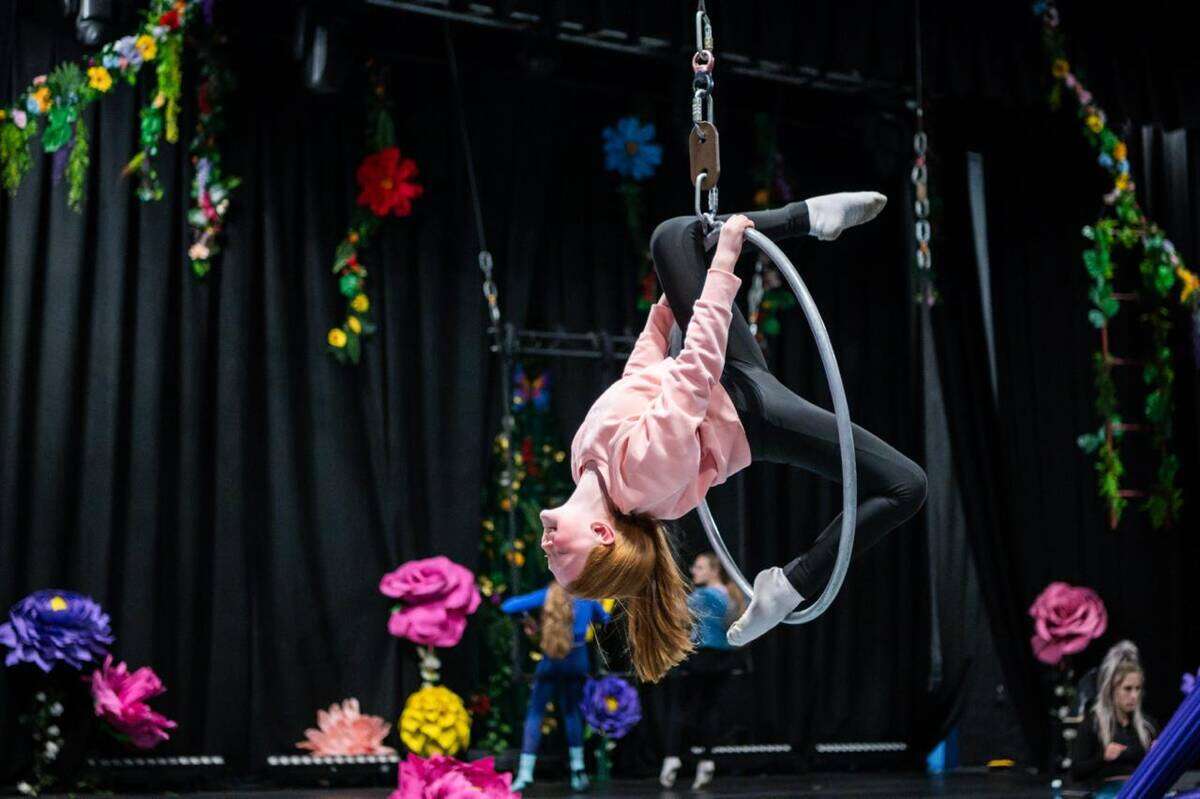
An Associated Press report published on 19 September follows performers connected to Jozi Circus School and The Cirk, including Brian Ngobese, who came from Alexandra and found a route into circus performance after an audition. The report describes an intensive environment of aerial work, acrobatics, dance and other physical disciplines, with participants turning skills that can look improbable from the audience into repeatable professional craft.
Jozi Circus describes its social-circus mission in direct employment terms. Its stated goals include making circus arts accessible, developing proficient instructors and artists, and providing marginalised young people with unusual skills that can improve employability. Its Singabanye programme links arts education with youth development and community empowerment.
The scale remains small. AP reports that only four participants can currently be supported annually through the initiative it profiled. That limitation is part of the story. Creative-economy programmes are often celebrated for their individual success stories while the expensive infrastructure behind those stories — specialist trainers, safe equipment, rehearsal space and sustained funding — receives less attention.
Circus makes that infrastructure unusually visible. You cannot improvise a safe aerial rig with motivation alone. Skills take repetition, physical conditioning and coaching. The same principle applies across the creative economy: talent matters, but pathways matter too. A young person needs somewhere to learn, someone to correct them, opportunities to perform and a market willing to pay.
The strongest argument for programmes like this is not that every participant will become an international circus star. It is that South Africa’s creative economy is wider than the jobs we habitually name. When training exists, an unexpected talent can become a profession.