10 October 2026 · Reporting checked against the sources listed below.
What gives a garment value before it reaches a shop? For Johannesburg designer Wanda Lephoto, the answer begins well before a pattern is cut or a label is sewn in. It begins with the objects and memories that tell people where they come from.
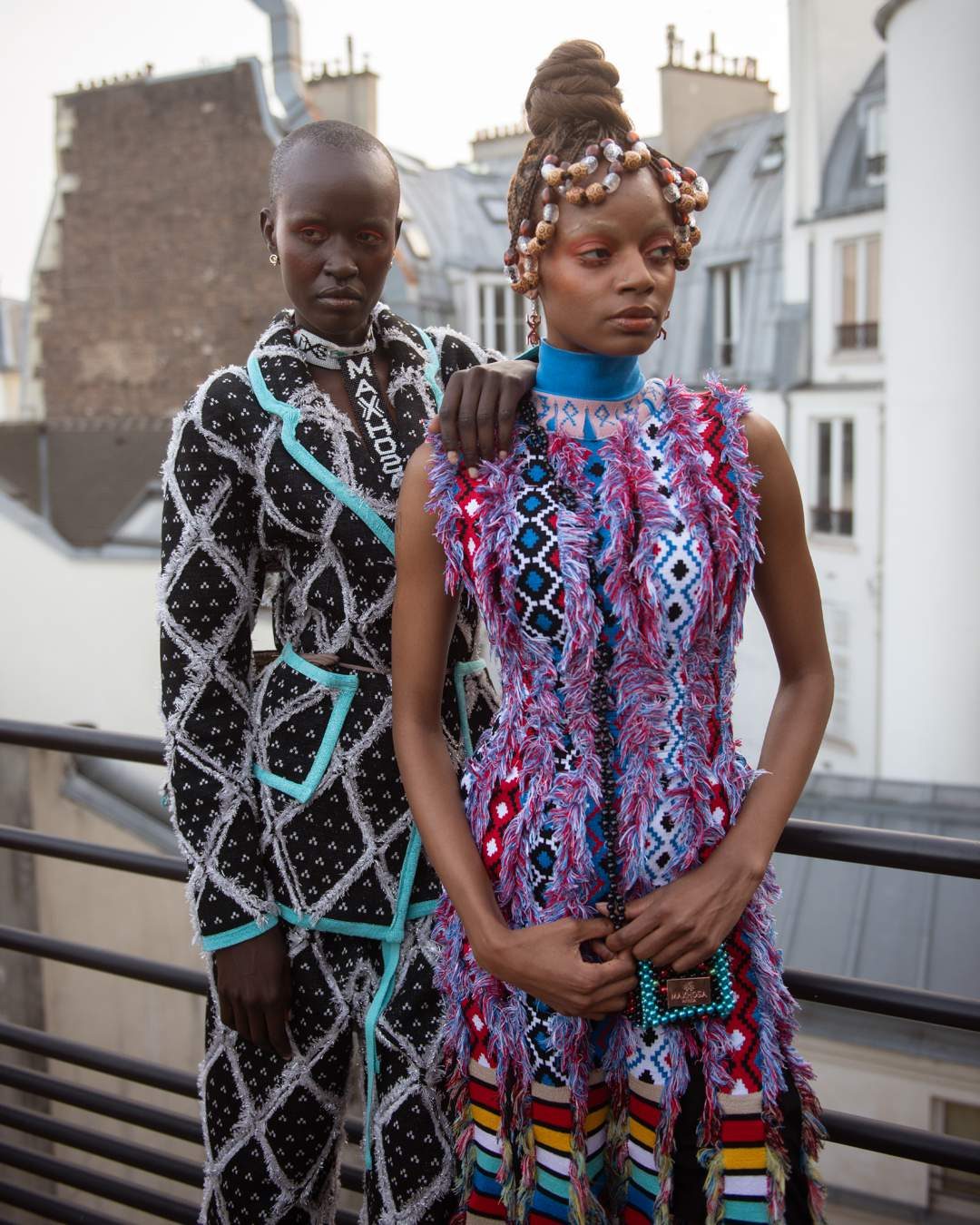
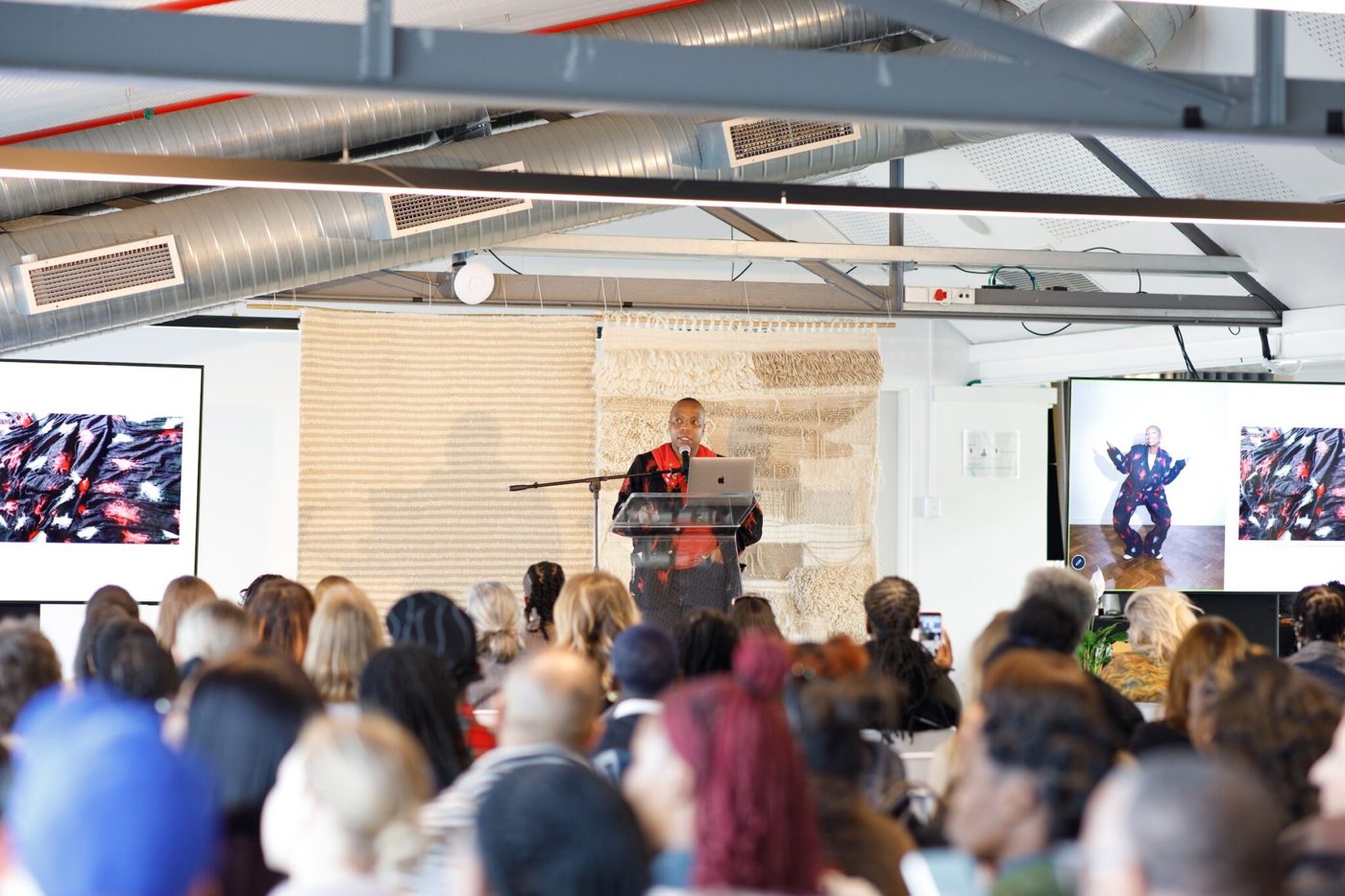
In an account published by Twyg on 7 October, drawing on Lephoto’s Africa Textile Talks keynote and a bird story agency interview, the designer describes clothing as a way of carrying conversations across generations. A family photograph, a church garment, an old poster or a wooden Zulu headrest can become design research rather than material consigned to a museum or a cupboard.
His work through the WL FOUND research project looks at creative production connected to South Africa between 1850 and 1994. That archive is not a catalogue of patterns to copy. It offers questions about who created objects, what they meant in everyday life and which stories have been undervalued in conventional accounts of design.
Lephoto’s position challenges the speed at which contemporary fashion asks people to replace things. The idea of a garment being repaired, passed on and interpreted by another wearer is almost the opposite of the short trend cycle. It shifts attention from the instant appeal of a look to its possible life after the first purchase.
There is also a business argument beneath the philosophy. African textile production needs manufacturing capacity, skilled labour and viable supply chains. But even where cloth can be made locally, a brand’s cultural authorship, craftsmanship and design identity help determine who captures the value when that cloth becomes a finished product.
Twyg’s directory describes the Wanda Lephoto label as a small-batch practice that uses mostly natural fibres, cuts and makes garments in South Africa and offers repair services. The label’s methods are not a universal blueprint for an industry operating at many different price points. They do show what changes when longevity is part of the design brief rather than an afterthought.
The larger question is not whether every South African designer should dress the same way or refer to the same heritage. It is whether fashion can make space for many distinct histories without flattening them into a single marketable idea of “African style.” Lephoto’s answer begins with the specificity of a life and the willingness to let that life shape the clothes.