A pardon granted — after 24 years of waiting
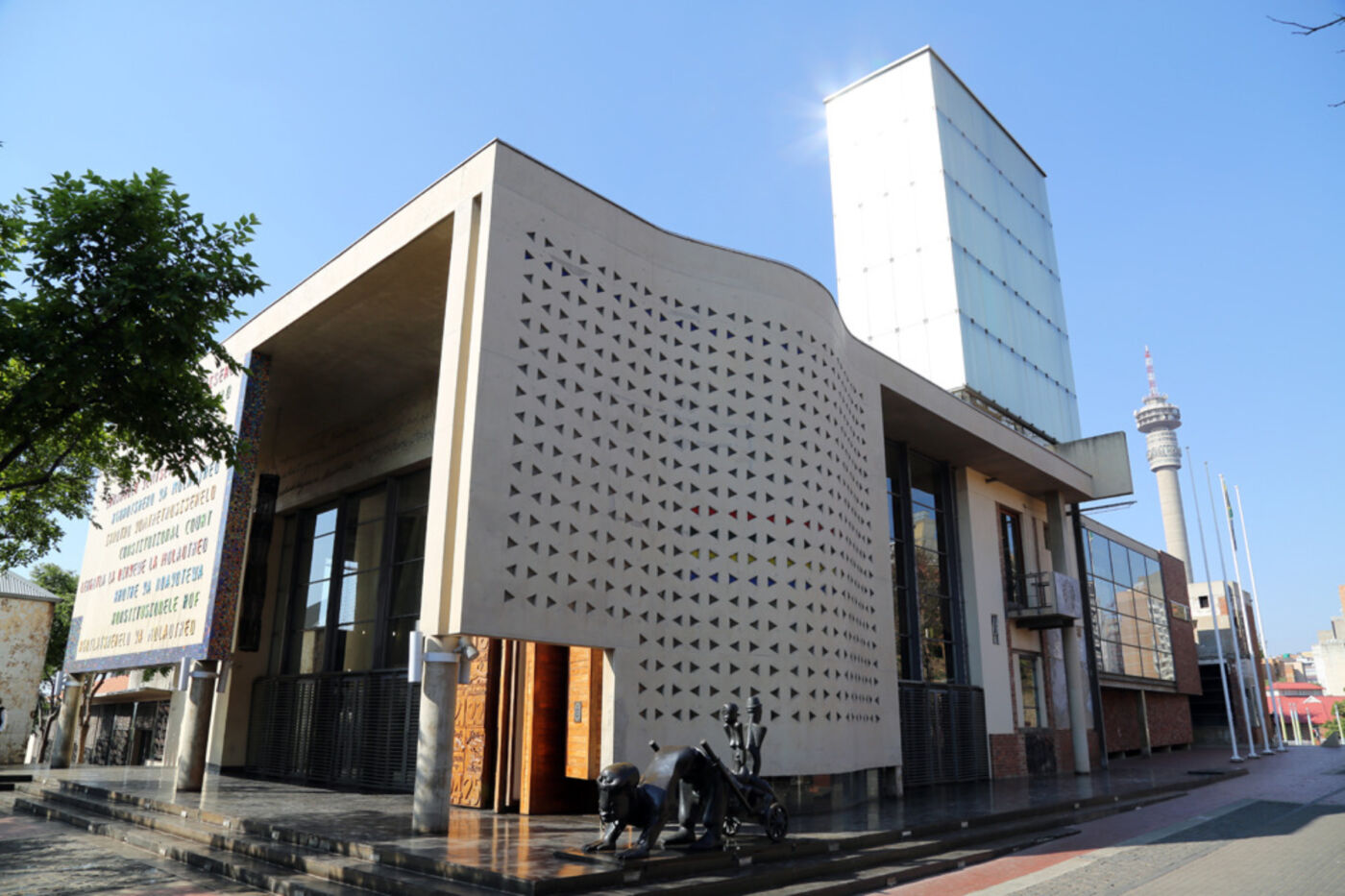
South Africa’s Constitutional Court has ruled that the failure to decide a joint presidential pardon application for nearly a quarter of a century breached constitutional obligations. The unanimous judgment, handed down on Wednesday 21 October 2026, concerns Fusi Simon Mofokeng and the late Tshokolo Joseph Mokoena, whose application was lodged in November 2001.
The court found that the current President, Cyril Ramaphosa, and former presidents Thabo Mbeki, Kgalema Motlanthe and Jacob Zuma failed to ensure that the application was handled diligently and without delay. The two men eventually received presidential pardons in December 2025, but the court held that a belated decision did not erase the preceding constitutional failure.
The case behind the application
The two men were convicted of offences arising from a 1992 shoot-out in Bethlehem, Free State, in which a police officer was killed and another injured. The Constitutional Court’s summary describes the original criminal trial as flawed, noting that the convictions relied on a single unreliable state witness. Mofokeng and Mokoena consistently maintained their innocence.
They were sentenced to life imprisonment plus an additional 18 years and were released on parole in April 2011 after serving 19 years. During Truth and Reconciliation Commission proceedings, members of the ANC self-defence unit involved in the shooting said the two men were not participants. The men pursued a pardon after other legal routes failed.
Presidential discretion still carries a duty to act
Section 84(2)(j) of the Constitution gives the President the power to pardon offenders. The court did not suggest that every pardon request must be granted. Its ruling instead draws a distinction between the discretion to decide the merits and the constitutional obligation to make that decision lawfully, diligently and within a reasonable time.
The case also illustrates how administrative silence can continue across several administrations. The men repeatedly followed up on their application while the state failed to bring it to a timely conclusion.
Damages are ordered, but the amount is not settled
The Constitutional Court held that constitutional damages were an appropriate remedy. The precise amount was not fixed in the 21 October ruling and is to be addressed through further written submissions. Mokoena’s widow, Xoliswa Percival Mokoena, represents his estate in the litigation.
The judgment is therefore a finding of constitutional failure, not a new criminal conviction of any former president. Its immediate significance is the court’s insistence that a constitutional power cannot be left unused for decades when people’s rights and reputations remain at stake.
Sources and verification
Constitutional Court judgment [2026] ZACC 43, 21 October 2026: Read source ↗
Contemporaneous judgment reporting, Conviction, 21 October 2026: Read source ↗
Independent reporting, The Citizen, 22 October 2026: Read source ↗

