10 October 2026 · Reporting verified against the dated sources below.
A reversal after a week of escalating pressure
South Africa’s Department of Home Affairs said on Friday, 9 October, that its Director-General had withdrawn an operational directive issued on 28 September to Refugee Reception Offices. The instruction had been designed to implement a 7 July Constitutional Court judgment in the Scalabrini Centre of Cape Town case, which concerned access to the asylum application process.
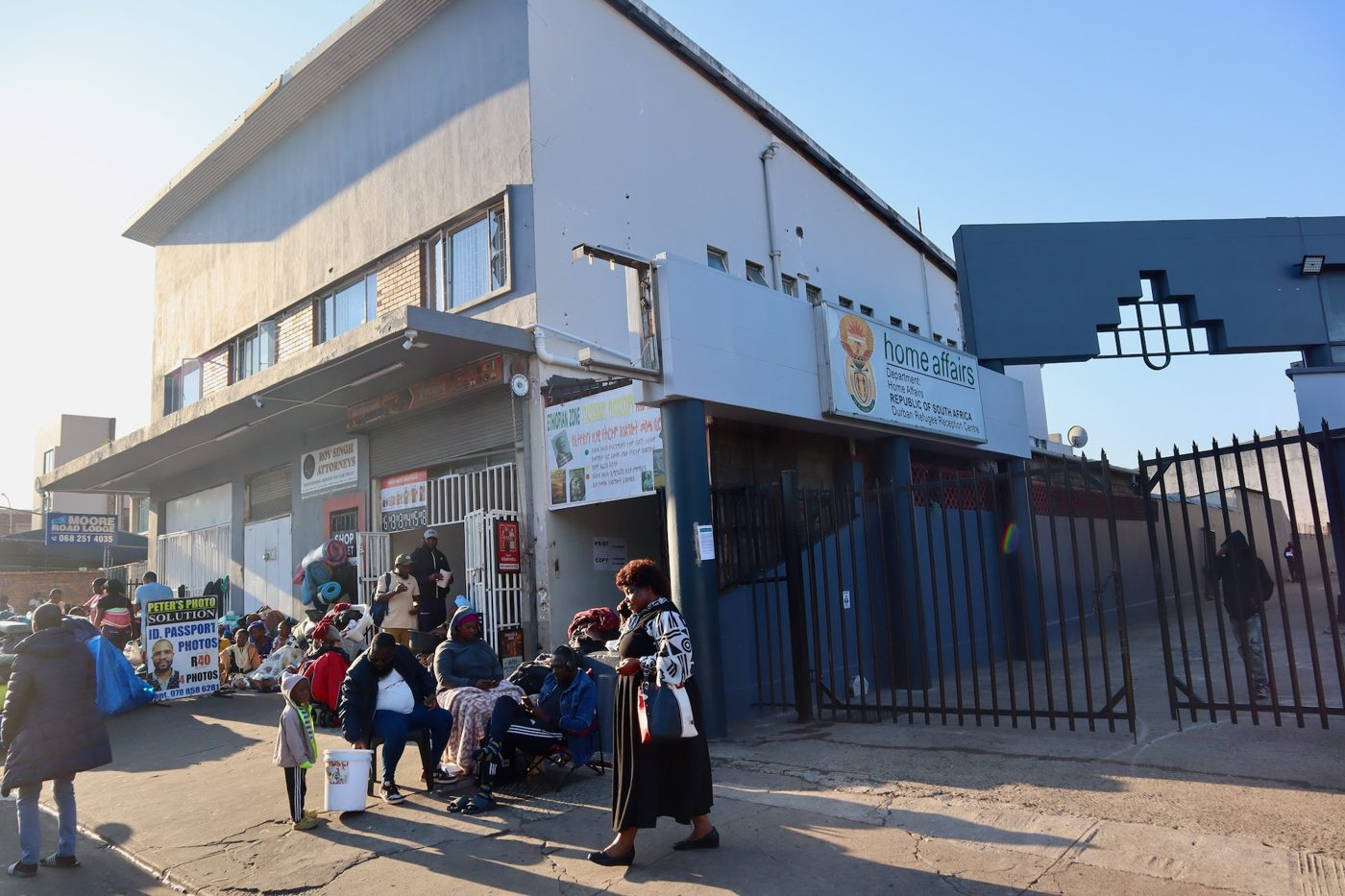
The withdrawal follows a volatile week in which asylum-processing queues became flashpoints for anti-migrant demonstrations. Violence in Johannesburg and Durban on 8 October included the burning of at least 24 vehicles and looting, according to police and international news reports. The reversal is a substantive new policy development after the unrest already reported by CREATIVE KONG.
What Home Affairs says went wrong
In its official statement, the department said the instruction had been issued by the Director-General as an operational measure, without consultation with the Minister of Home Affairs or other political office-bearers. It said the attempt to implement the court order had overwhelmed reception offices within days, endangered officials and created serious threats to public order.
Home Affairs said it would begin a fresh process to find a workable way of complying with the court judgment. It did not publish a replacement procedure or timetable in the 9 October statement. That gap matters for applicants and officials trying to understand what happens next.
A withdrawn directive is not an overturned judgment
The Constitutional Court ruling has not been rescinded. The July judgment addressed provisions of the Refugees Act and procedural barriers to seeking asylum. Government officials have stressed that access to a process is not the same as automatic refugee status, permanent residence or permission to remain indefinitely.
Civil society groups, applicants and officials now face uncertainty about how the department will reconcile lawful access to the asylum system with safe, orderly processing. The operational withdrawal does not erase the state’s constitutional obligations.
The public-safety test
Police responses to violence and threats against foreign nationals remain a separate issue from the legal rules governing asylum. Looting and arson are criminal acts; neither a court ruling nor disagreement with migration policy authorises attacks on people or property.
The next verifiable milestone will be a published operational plan explaining access arrangements, security at reception offices and how the department will implement the court order. Until that appears, claims about a blanket legalisation of undocumented migration are misleading.