10 October 2026 · Reporting verified against the dated sources below.
The award — and its timing
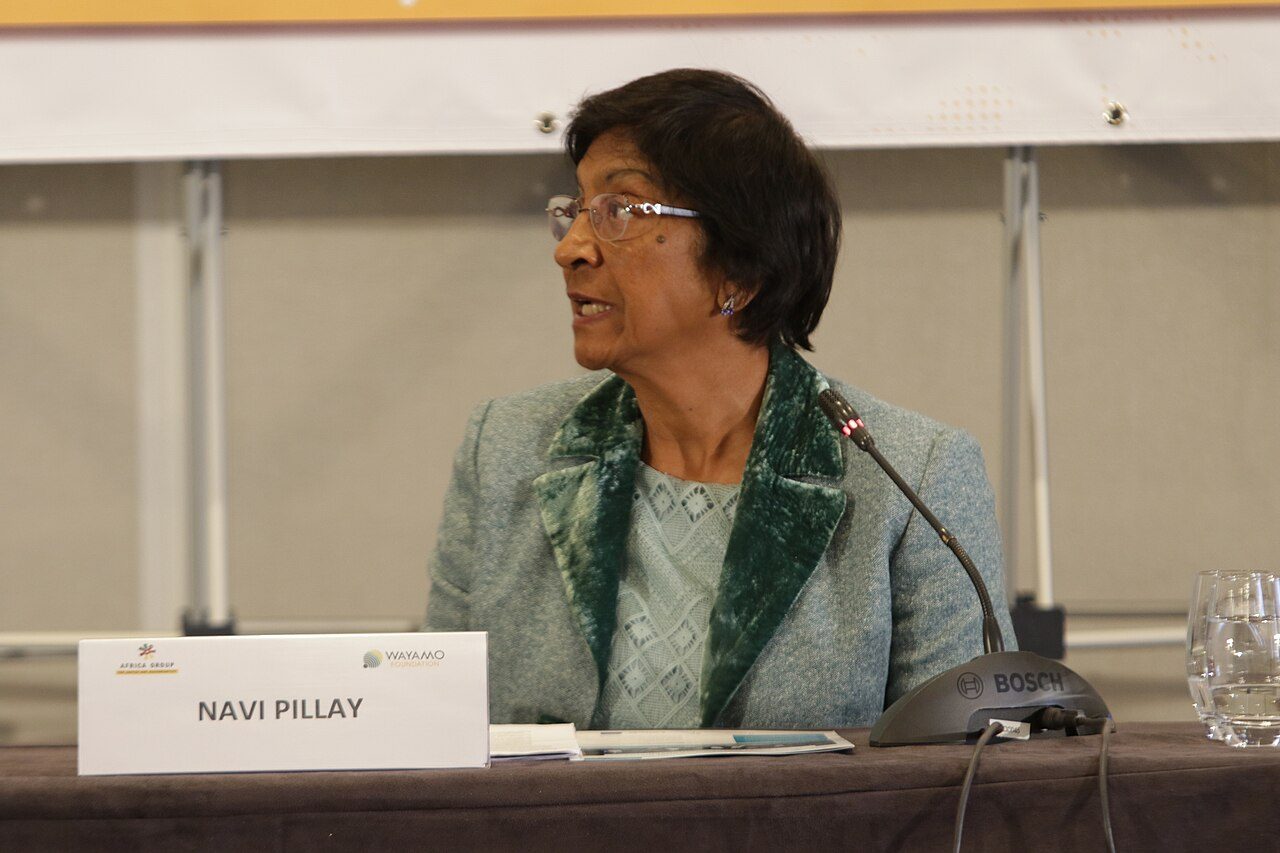
South African jurist Navanethem “Navi” Pillay was named the 2026 Nobel Peace Prize laureate on Friday, 9 October, with the Norwegian Nobel Committee recognising her contribution to international law, human rights and the pursuit of accountability for atrocities. The decision gives one of South Africa’s most consequential legal figures a global platform at a moment when the institutions she helped shape face serious political pressure.
Pillay, 85, learned of the award while attending a legal forum in Nuremberg, Germany. She said she would dedicate the honour to survivors of international crimes. The Nobel Peace Prize ceremony is scheduled for Oslo on 10 December.
From apartheid-era courts to international tribunals
Born in Durban, Pillay practised law under apartheid and represented political prisoners and anti-apartheid activists. She went on to serve on South Africa’s High Court, the International Criminal Tribunal for Rwanda and the International Criminal Court before becoming United Nations High Commissioner for Human Rights.
Her Rwanda tribunal work helped establish an enduring legal principle: sexual violence can constitute an act of genocide. That contribution changed the way international criminal justice understands atrocities against women and civilians. She has also worked on proceedings involving allegations of genocide against Myanmar’s Rohingya minority.
Recognition in a contested political moment
The honour has drawn international praise but also criticism. Pillay previously chaired a United Nations inquiry that concluded Israel had committed genocide in Gaza; Israel rejects that finding. It is important to distinguish the inquiry’s conclusion from a final judgment of the International Court of Justice. The Nobel award recognises Pillay’s broader career, not a court ruling on the Gaza allegations.
The announcement came as the United States imposed further sanctions on the International Criminal Court, intensifying a debate about the independence and effectiveness of global judicial institutions. Pillay’s recognition therefore carries both a South African significance and a message about the rule of law beyond national borders.
South Africa responds
President Cyril Ramaphosa congratulated Pillay on 9 October, describing the prize as a tribute to her courage, integrity and lifelong commitment to justice. She joins Albert Luthuli, Desmond Tutu, Nelson Mandela and F. W. de Klerk among South African Nobel Peace Prize recipients.
For a country whose democratic settlement is closely associated with the language of rights and constitutionalism, the award is a reminder that South African legal expertise has helped shape accountability far beyond its borders.