10 October 2026 · Reporting verified against the dated sources below.
A coordinated fraud investigation reaches court
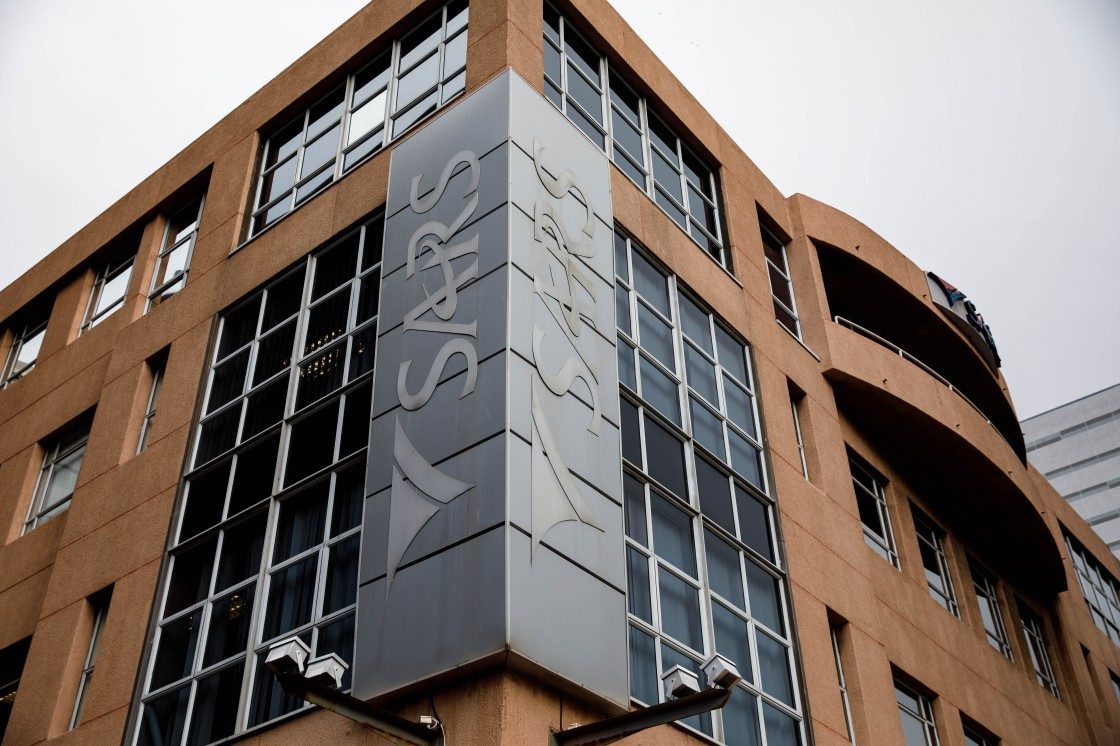
Fourteen accused — five entities and nine individuals — appeared before the Siyabuswa Magistrates’ Court after a series of arrests linked to an alleged R3.99 million value-added tax refund fraud. The South African Revenue Service and National Prosecuting Authority confirmed the matter in a joint statement dated 7 October 2026.
The arrests followed a SARS criminal investigation into allegations that fraudulent refund claims were submitted through the eFiling system in the name of an entity. Warrants were executed in Mpumalanga, Gauteng and North West with assistance from the Hawks and other law-enforcement partners. The accused began appearing in court on 6 October, and bail proceedings were still under way when the statement was issued.
How the alleged scheme fits a wider probe
According to SARS and the NPA, the case forms part of Project Jan Vas, a broader national investigation into a suspected organised syndicate alleged to be targeting the revenue authority through tax-refund schemes. Authorities say the suspected network includes South African and foreign nationals, but that assertion is part of the investigation and must not be treated as proof of individual wrongdoing.
The joint release does not establish that every accused played the same role, nor does it provide a final accounting of losses beyond the R3.99 million alleged in this case. Those details remain matters for evidence and judicial proceedings.
Why refund fraud matters beyond the accused
VAT refunds are a legitimate part of the tax system: businesses that qualify may recover tax paid on inputs. Fraudulent claims can divert public funds and erode confidence in a system that depends on accurate filings and timely legitimate refunds. For honest traders, strong enforcement also needs to be matched by fair treatment and reliable service.
SARS and prosecutors describe the investigation as an example of coordination between revenue investigators and criminal-justice agencies. The effectiveness of that approach will ultimately be tested by evidence in court, not by the number of arrests announced.
What happens next
The next procedural steps include bail decisions, disclosure of the prosecution case and any later plea or trial proceedings. The presumption of innocence applies to all accused until guilt is established by a court.
CREATIVE KONG will distinguish allegations made by investigators from findings made by a court as the matter develops.