18 October 2026 · Reporting based on the sources listed below.
A start date puts a long-discussed project on the calendar
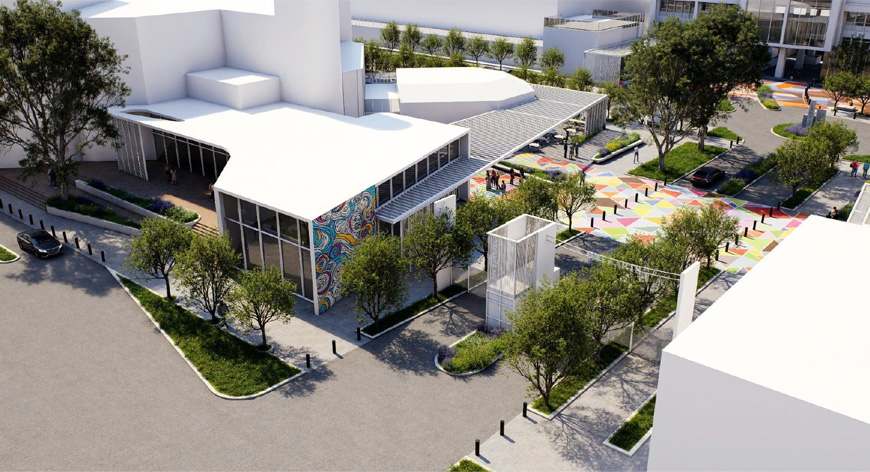
The University of the Witwatersrand says construction of its R341 million Cultural Precinct in Braamfontein is scheduled to begin on 1 January 2027. The date, reported by Moneyweb on 18 October, moves a previously announced university arts-development plan towards its next phase. It remains a construction timetable, not a completed development.
The project is intended to connect Wits’ south-eastern campus with Johannesburg’s surrounding creative district, expanding access to performance, visual art, heritage and digital arts facilities over an estimated five years.
How the R341 million plan is funded
The Seabrooke Family Trust donated 1.4 million shares in Sabvest Capital to the Wits Foundation. The shares were valued at approximately R204.4 million using a R146 share price at the time of the September transaction. The foundation can sell the shares over the project’s life to raise cash for the development.
Wits development director Peter Bezuidenhoudt told Moneyweb that Chris Seabrooke’s contribution would account for about R200 million of the total, with the university financing the balance. The value ultimately realised from share sales can change with the market; the donated shares should not be confused with cash already spent on construction.
What Braamfontein stands to gain
Plans bring together the Wits Art Museum, Jack Ginsberg Centre for Book Arts, Chris Seabrooke Music Hall and a new Digital Arts building. An additional floor for the School of Arts is planned, followed by work on music and fine-arts facilities, an amphitheatre and the Wits Theatre Complex.
The university also envisages restaurants, cafés, bookshops and more accessible public spaces. Those are planned amenities, not confirmed operating businesses or signed tenants.
Why it matters beyond campus
Wits has presented the precinct as part of a wider effort to strengthen Johannesburg’s cultural economy. Better-connected venues could create new opportunities for performances, exhibitions, students, visitors and surrounding traders, although the scale of future jobs and commercial activity has not been quantified.
The university’s announcement identifies the Market Theatre, Joburg Theatre, Sci-Bono and Tshimologong as part of the wider cultural and innovation corridor. Whether the investment translates into sustained public access and local economic activity will depend on delivery, programming and long-term maintenance.
Sources and verification
Wits University announcement, 29 September 2026: Source ↗
Moneyweb reporting, 18 October 2026: Source ↗
