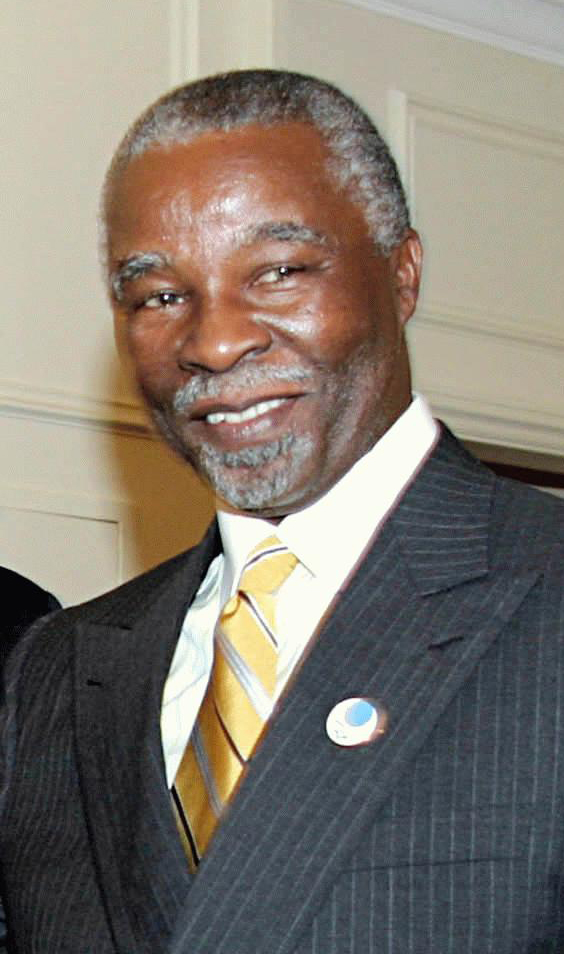
The testimony is now on the record
Former president Thabo Mbeki appeared before the Khampepe Commission of Inquiry in Johannesburg on Monday, 19 October 2026, and rejected allegations that he had secretly arranged protection from prosecution for former apartheid-era security officials. His evidence marks a significant development beyond the previously announced hearing schedule: the inquiry has now heard his account directly.
Mbeki told the commission that he had neither directed nor authorised the suppression of investigations or prosecutions arising from the Truth and Reconciliation Commission (TRC). His denials are testimony to be assessed against the wider record; they are not findings by the inquiry.
A meeting with generals — and a disputed interpretation
Mbeki acknowledged contact with former military and police generals during the reconciliation period, but said discussions concerned participation in the TRC amnesty process, rather than an arrangement to shield people from criminal liability. He disputed claims that secret meetings were held to guarantee immunity. Daily Maverick reported that Mbeki placed one approach by the generals in 1996, when the TRC was operating.
The former president also challenged interpretations of an April 2003 parliamentary address. He said the speech did not instruct prosecutors to abandon cases and argued that decisions on whether to prosecute belonged to the National Prosecuting Authority (NPA), not the presidency.
Why families are still asking questions
The inquiry was established to examine allegations that political interference and institutional failures delayed criminal investigations and prosecutions of apartheid-era offences. The TRC referred hundreds of matters for further action, but comparatively few resulted in successful prosecutions. Families of victims have spent decades pressing for explanations and accountability.
Mbeki said the NPA should explain the failure to advance cases it was entitled to pursue. That position does not, by itself, resolve the inquiry’s central question: whether decisions or conduct by political and justice-sector officials contributed to those delays.
What happens next
The former president’s testimony was scheduled to continue on Tuesday, 20 October. Associated Press reported that Jacob Zuma’s previously anticipated Thursday appearance had been postponed, with no replacement date confirmed at the time of reporting. The inquiry has not made final findings on the allegations.
The distinction matters: testimony, documentary evidence, disputed claims and eventual findings are different things. For relatives seeking answers about unresolved killings, the test will be whether the process can establish what happened and why prosecution decisions went unfulfilled.
Sources and verification
Associated Press, 19 October 2026: Source ↗
Daily Maverick, 19 October 2026: Source ↗
Eyewitness News, 19 October 2026: Source ↗
TimesLIVE, 19 October 2026: Source ↗

