10 October 2026 · Reporting checked against the sources listed below.
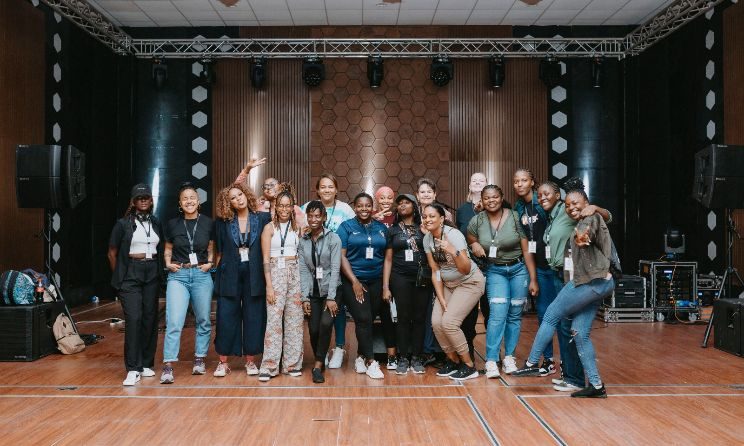
A live show is usually remembered through the artist in the spotlight. The people responsible for the sound, lighting, stage cues and equipment are less visible—until something goes wrong. That backstage workforce is the focus of a new opportunity for women working in African live music.
On 9 October 2026, the Music In Africa Foundation announced applications for the Gender@Work Technical Event Production programme in Johannesburg. The training runs from 26 to 31 October, combining classroom learning with practical production experience during the ACCES music-industry gathering, scheduled for 28 to 31 October.
The curriculum covers planning and budgeting events, analysing technical riders, stage management, sound-system fundamentals, mixing, stage lighting, rigging and the safety requirements of live production. It also includes discussion of the gendered obstacles that shape access to technical careers. These are not peripheral tasks; they are the infrastructure that makes the performance possible.
The eligibility rules are specific. Applicants must be women based in Africa or the Indian Ocean region, over 18, able to work in English and available for the full Johannesburg programme. The foundation asks for at least two years of relevant experience, preferably in a live-performance environment. A tertiary qualification is advantageous but not compulsory.
Selected trainees are offered programme-related meals and local transport, a stipend for work during ACCES, a certificate and access to a digital music-business course. Applicants travelling from outside South Africa should read the funding conditions carefully: limited resources mean they may need to cover their own travel and accommodation.
The application deadline is 23:59 Central Africa Time on Saturday, 10 October 2026. Applications must be submitted through the official online form linked from the Music In Africa announcement; email submissions will not be considered. The foundation says applicants will be informed of the outcome by 14 October.
A single course cannot fix the inequalities of an entire live-event industry. But practical experience on real productions, professional contacts and a recognised record of work can make the route into technical roles less dependent on who already knows whom. For anyone who qualifies, the immediate story is simple: the opportunity is open, and the clock is running.